








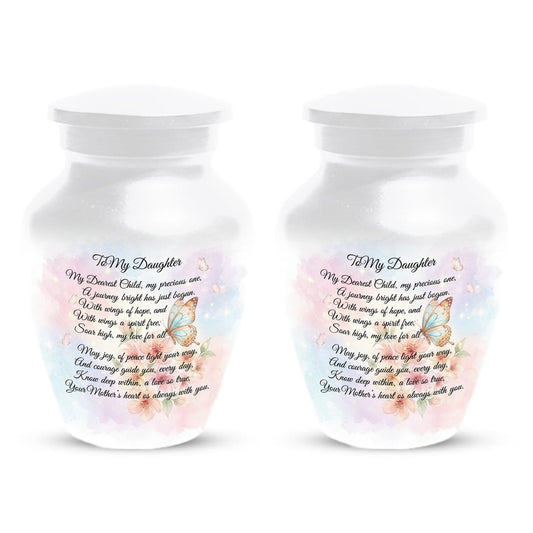






Cremation Planning Checklist: A Complete Step-by-Step Guide for Families

Planning cremation can feel overwhelming, especially during a time of grief. A cremation planning checklist helps families stay organized, make informed decisions, and reduce stress while ensuring every important detail is handled with care and dignity.
Cremation offers flexibility, affordability, and personalization, but it also involves several decisions—some immediate, others that can be made later. This cremation planning checklist walks you through the entire process step by step, from the moment of death to memorial planning and final arrangements.
Whether you are planning direct cremation, traditional cremation, or cremation followed by a memorial service or celebration of life, this checklist will guide you clearly and compassionately.
Step 1: Confirm the Type of Cremation
The first item in any cremation planning checklist is deciding the type of cremation.
Common Cremation Options
- Direct cremation (no viewing or service beforehand)
- Traditional cremation (with viewing or funeral service)
- Cremation with memorial service
- Cremation followed by burial of ashes
This decision affects cost, timing, and planning requirements.
Step 2: Choose a Funeral Home or Cremation Provider
Selecting the right provider is essential.
Checklist Questions to Ask
- Are they licensed and reputable?
- Do they perform cremations on-site or off-site?
- What services are included in the cremation package?
- Are prices transparent?
- Do they offer direct cremation options?
Choosing a trusted provider ensures respectful handling and peace of mind.
Step 3: Complete Legal Documents and Authorizations
Cremation requires specific legal documentation.
Required Documents Checklist
- Cremation authorization form (signed by next of kin)
- Death certificate (certified copies)
- Burial or transit permits (if applicable)
Your funeral home or cremation provider usually assists with this paperwork.
Step 4: Decide on Embalming or Viewing (If Applicable)
Embalming is not required for cremation unless a public viewing is planned.
Checklist Considerations
- Will there be a visitation or viewing?
- Will the body be present at a service?
- Is embalming required by the venue?
If no viewing is planned, embalming can usually be avoided.
Step 5: Choose Clothing or Shroud for Cremation
Families may choose how the body is prepared.
Options Include
- Hospital gown
- Simple clothing
- Cremation shroud
Avoid clothing with heavy metal, zippers, or synthetic materials when possible.
Step 6: Remove Personal Items and Jewelry
Before cremation, personal belongings are removed.
Checklist Items
- Jewelry
- Watches
- Glasses
- Personal keepsakes
Decide which items should be returned to the family.
Step 7: Decide What Happens to Medical Devices
Certain medical devices must be removed before cremation.
Common Devices Removed
- Pacemakers
- Defibrillators
- Battery-powered implants
Your cremation provider will handle this safely.
Step 8: Select a Cremation Container
A cremation container is required by law.
Container Options
- Basic cardboard container
- Fiberboard container
- Cremation-approved casket
For direct cremation, a simple container is usually included.
Step 9: Plan the Cremation Timeline
One of the benefits of cremation is flexibility.
Timeline Checklist
- When will cremation take place?
- Is there a waiting period required by law?
- When will ashes be ready for pickup or delivery?
Most cremations are completed within a few days.
Step 10: Decide What to Do With the Ashes
This is a key part of cremation planning.
Ashes Options Checklist
- Keep ashes in an urn
- Scatter ashes
- Bury ashes
- Place ashes in a columbarium
- Share ashes in keepsake urns
- Create memorial jewelry
You do not need to decide everything immediately—ashes can be kept temporarily.
Step 11: Choose the Right Cremation Urn
Urn selection is an important part of the cremation planning checklist.
Urn Selection Checklist
- Correct size (based on body weight)
- Material (metal, wood, marble, biodegradable)
- Design or theme
- Display vs burial vs scattering purpose
- Personalized engraving (optional)
Choosing the right urn ensures both practicality and meaning.
Step 12: Decide on Keepsake Urns or Sharing Options
Many families choose to share ashes.
Keepsake Options
- Small keepsake urns
- Mini urn sets
- Memorial jewelry
- Tokens or remembrance items
Keepsakes allow multiple family members to feel connected.
Step 13: Plan a Memorial Service or Celebration of Life
Cremation allows memorials to be held anytime.
Memorial Planning Checklist
- Choose memorial type (traditional or celebration of life)
- Select date and location
- Decide who will speak
- Choose music and readings
- Prepare photos or video tribute
Memorials can be formal or casual, private or public.
Step 14: Decide If Ashes Will Be Present at the Memorial
This is optional.
Options Include
- Displaying the urn
- Using a symbolic urn
- Keeping ashes private until later
There is no right or wrong choice—only personal preference.
Step 15: Plan an Ash Scattering Ceremony (If Desired)
If scattering ashes is part of your plan, preparation is important.
Ash Scattering Checklist
- Choose a meaningful location
- Check local laws and permissions
- Select a scattering urn
- Plan ceremony words or rituals
- Consider environmental impact
Scattering can be done privately or as part of a group ceremony.
Step 16: Consider Burial or Permanent Placement of Ashes
Some families choose a permanent resting place.
Burial Options Checklist
- Cemetery plot
- Columbarium niche
- Family plot
- Memorial garden
Ashes can be buried immediately or at a later date.
Step 17: Create Memorial Keepsakes and Remembrances
Beyond urns, families may want lasting tributes.
Memorial Ideas
- Photo albums
- Memory books
- Memorial jewelry
- Engraved plaques
- Tree planting or garden memorials
These help keep memories alive.
Step 18: Notify Family and Friends
Clear communication helps everyone prepare.
Notification Checklist
- Inform immediate family
- Share memorial details
- Coordinate travel plans
- Share obituary information
Cremation allows flexibility in timing, reducing urgency.
Step 19: Understand Cremation Costs and Budgeting
A cremation planning checklist should include budgeting.
Common Cremation Costs
- Cremation service fee
- Transportation
- Cremation container
- Urn purchase
- Memorial service expenses
Direct cremation is usually the most affordable option.
Step 20: Review Final Details Before Cremation
Before cremation takes place, review everything.
Final Review Checklist
- Confirm identification details
- Review paperwork
- Confirm cremation urn or container choice
- Clarify ashes pickup or delivery
- Ask final questions
This ensures peace of mind.
Common Mistakes to Avoid in Cremation Planning
- Rushing decisions unnecessarily
- Not checking urn size
- Forgetting legal paperwork
- Assuming cremation limits memorial options
- Not asking questions
A checklist helps avoid these issues.
Why a Cremation Planning Checklist Matters
A cremation planning checklist:
- Reduces emotional stress
- Prevents missed details
- Provides clarity during grief
- Allows thoughtful decision-making
- Supports meaningful remembrance
It turns a difficult process into a manageable one.
Frequently Asked Questions About Cremation Planning
Do I need to plan everything at once?
No. Cremation allows decisions to be made over time.
Is cremation respectful?
Yes. Cremation is handled with dignity and care.
Can cremation still include a funeral or memorial?
Absolutely. Cremation supports many types of services.
Is cremation accepted by most religions?
Yes, many religions now accept cremation.
Conclusion: A Cremation Planning Checklist Brings Clarity and Peace
Planning cremation does not have to feel overwhelming. With a clear and detailed cremation planning checklist, families can navigate decisions with confidence, compassion, and intention. Cremation offers flexibility, affordability, and meaningful ways to honor a loved one’s life.
By following this checklist step by step, families can focus less on logistics and more on remembrance, healing, and celebrating a life well lived.